

AI game creation platform
Turn Your Ideas Into Playable Games.
Describe the game. Shape the plan with AI. Build, play and publish a focused browser prototype.
What do you want to create?
▌
A real Ludic workflow: idea, plan, browser build and iteration.
Free to play
Games made with Ludic. Play them now.
Not trailers — real games running in your browser. Every one started as a sentence.
- Playable Demo
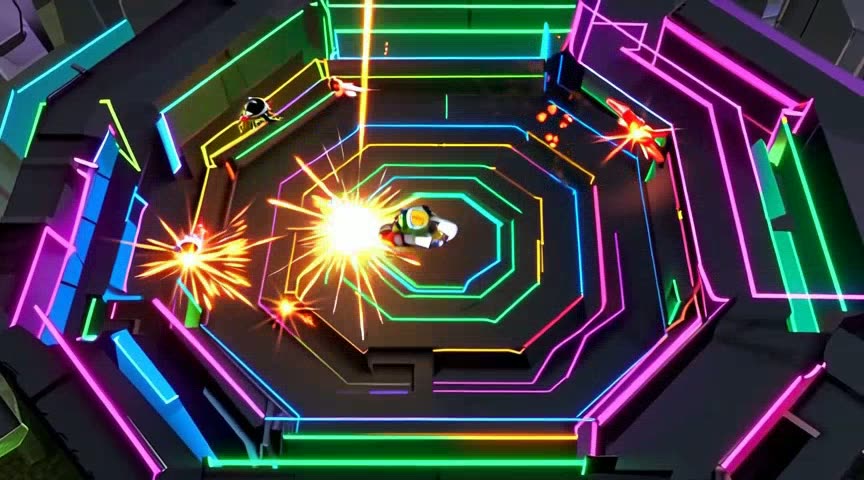 PREPARING SIMULATION
Arcade
Prism Breaker
A crystalline brick-breaker where every shard you shatter speeds up the chase.
Play free - Playable Demo
 COMPILING GAMEPLAY
Fighting
Ember Duel
A close-quarters flame duel against a sharp AI rival across best-of-three rounds.
Play free - Playable Demo
 BUILDING LIGHTING
Racing
Ridge Rally
A pseudo-3D mountain time-trial where clean cornering through gates beats raw speed.
Play free - Playable Demo
 FORGING WORLD
Puzzle
Tower Tessera
Stack and rotate falling tesserae to clear rows before the tower overflows.
Play free - Playable Demo
 FORGING WORLD
Shoot 'em up
Void Lancer
A side-scrolling starfighter gauntlet — dodge, weave and lance the void clean.
Play free - Playable Demo
 IGNITING ENGINE
Strategy
Siege Lanes
A three-lane defence where energy management decides whether your base survives the siege.
Play free - Playable Demo
 PREPARING SIMULATION
Racing
Neon Drift
A synthwave night drive — weave through traffic as the highway speeds up.
Play free - Playable Demo
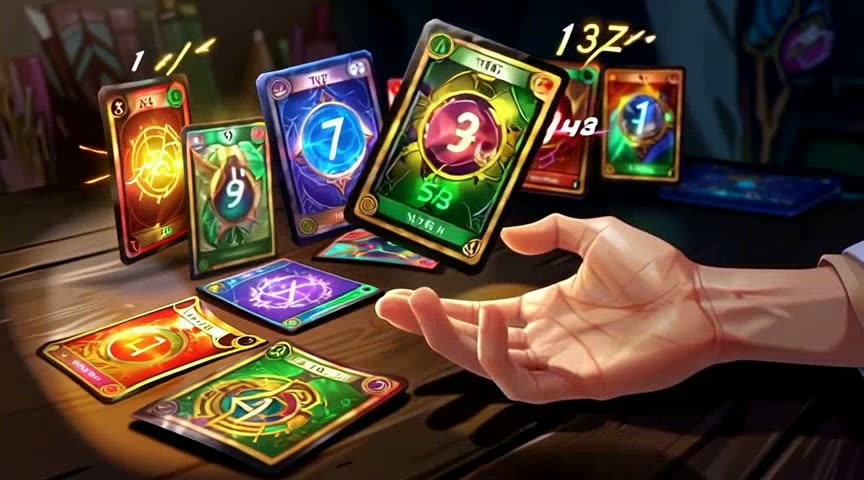 INITIALISING PHYSICS
Puzzle
Glyph Matrix
Swap adjacent glyphs to trigger cascading matches before your moves run dry.
Play free
Prompt to game
Watch a sentence
become playable.
Ludic plans before it builds. You see the concept, the loop, the world and the mechanics — and approve them — before any significant generation runs.
One sentence
You bring the idea. Ludic helps build the world — and you approve every significant step before it runs.
Plan before build
Ludic proposes. You decide.
- Core loop
- Qualify, race, upgrade, take the district
- Player
- Street racer building a crew reputation
- World
- Rain-lit downtown grid, four connected districts
- Mechanics
- Drift scoring, nitro, police pursuit heat
- Art direction
- Neon reflections, wet asphalt, night only
- Win / lose
- Own every district / lose your car to impound
How it works
Idea → game in three steps
- 01
Describe your idea
Type a sentence. Add reference images or video if you want. Ludic reads your idea and turns it into a plan.
- 02
Shape the game with AI
Approve the loop, world and rules. Then refine characters, difficulty and mechanics by describing the changes.
- 03
Play and publish it
Test instantly in your browser. When it feels right, publish to the Ludic store and share it with a link.
Built for
Who is Ludic for?
Anyone with an idea and a browser. Ludic is designed for people who want to see their game in motion fast.
Curious creators
Turn a sketch, a sentence or a dream game into something playable. No engine experience required.
Educators
Teach game design, narrative and systems thinking by making games students can actually play.
Brands & teams
Prototype interactive experiences, branded mini-games and proof-of-concepts without a full studio.
Your AI game-building partner
You bring the idea.
Ludic helps build the world.
Start from a prompt, review the plan, generate a supported arcade prototype and keep every build in your project library. You stay the director.
Open the studioGame planning
Turn an idea into a scoped concept, core loop, objective and rules before generation.
Supported foundations
Build from working arcade structures covering racing, action, puzzle, strategy and cosy play.
AI-assisted direction
Use natural language to shape the plan and configure a focused first prototype.
Logic & code
Export supported HTML5 builds and project specifications when you need to continue elsewhere.
Play & iterate
Run the real game in your browser, restart quickly and use play to guide the next revision.
Bring your own world
Add reference images or video to your brief where supported, so the direction starts from your idea.
Genre range
One platform can make all of these?
Pixel-art platformers and cinematic third-person action. Cosy farming sims and tower defence. Obbies, tycoons, avatar worlds and deckbuilders. Pick a direction — or just describe it.
Action & combat
- Action
- Action RPG
- FPS
- Third-Person
- Fighting
- Stealth
- Tactical
- Roguelike
- Roguelite
- Metroidvania
- Platformer
Worlds & stories
- Adventure
- RPG
- JRPG Inspired
- Open World
- Fantasy
- Sci-Fi
- Cyberpunk
- Post-Apocalyptic
- Western
- Mystery
- Horror
- Survival Horror
- Survival
Systems & strategy
- Strategy
- RTS
- Tower Defense
- Simulation
- Management
- Tycoon
- City Builder
- Card Game
- Deckbuilder
- Puzzle
- Trading / Economy
Play together
- Multiplayer
- Co-op
- Party Game
- Social
- Social Roleplay
- Avatar World
- Sandbox
- Obby
- Pet Collection
- Sports
- Racing
Style & format
- Arcade
- Retro
- Pixel Art
- 8-Bit Inspired
- 16-Bit Inspired
- Neon Arcade
- Cozy
- Life Sim
- Farming
- Mobile Casual
- Current-Gen 3D
- Console-Style Action
- Controller-Ready
Explore
Wait — I can build something like that?
Prism Breaker
Ember Duel
Ridge Rally
Tower Tessera
Every card above links to a real playable Ludic game. Visual trailers are presentation footage, not captured gameplay.
Scope intelligence
We won’t lie to you about scope.
One prompt does not produce a finished AAA game — and any platform telling you otherwise is selling you a demo. Ludic breaks ambitious ideas into stages you can actually finish, then helps you ship each one.
Ambitious project detected
“An open-world crime city with 1,000 players and photorealistic graphics.”
- Phase 1Core movement + one city block100%
- Phase 2Vehicles and traffic82%
- Phase 3Combat and wanted system68%
- Phase 4NPC systems and quests54%
- Phase 5Multiplayer prototype36%
Save & iterate
Your games live here
until you say otherwise.
Every project is saved to your creator dashboard with its own status — draft, building, ready, published or archived. Pick any of them up where you left off.
- Project library with drafts, builds and published games
- Continue, duplicate, rename, archive or delete
- Credit balance and full generation history
- Publish to the Ludic store or export a build
Creator dashboard
Draft
your projects
Building
your projects
Ready
your projects
Published
your projects
- Rename · duplicate · archive
- Continue in the studio
- Publish to the Ludic store
- Export a build
Export
Your game.
Your way.
Build on Ludic. Export where supported. Distribute your creation wherever you’re allowed to sell it. Build here — take it with you.
See export optionsWeb
AvailableHTML5 build you can host anywhere.
Desktop
PlannedNative desktop packaging is being explored.
Project spec
AvailablePortable game specification and Godot build brief.
Store packages
Preparation onlySteam-ready and console prep checklists.
Mobile app stores
Not yet availableDedicated iOS / Android store builds.
Ownership
You make it.
You own it.
Your games, worlds and characters are yours. Paid plans include full commercial rights, and anything created or exported while your plan is active stays commercially yours.
You own the game
Sell, license or hand over the whole project.
No lock-in
Export builds and source where supported.
Clear asset licences
Every marketplace listing states its terms up front.
No surprise fees
Credit estimates before generation, fees shown before you list.
Exploring next
On the roadmap
Ludic is focused on rapid, playable browser games today. These are the directions we’re exploring next — they’re not live yet.
Automated AI playtesting
Agent-led testing and automated issue reports beyond human browser testing.
PlannedMultiplayer workflows
Networked game foundations and multiplayer testing tools.
PlannedTeam collaboration
Work on projects together with shared workspaces and version control.
PlannedCredits
No mystery deductions.
Credits power AI generation — nothing else. Moving an object, editing a value or renaming a scene costs nothing, and you always see an estimate before you confirm.
See your credit balance →- Cost estimate before every significant generation
- Editor interactions never consume credits
- Full usage history with project and cost
- Destructive AI changes show a diff you approve first
Global creators
Make games
for the world.
Your idea doesn’t have a language barrier. Ludic’s interface is available in multiple languages, and you can describe your game naturally in your own words.
Straight answers
What you should know before you start.
What can I make with Ludic?
Rapid, playable browser games and creative prototypes. Ludic is built for turning an idea into something you can play and iterate on, not for generating a finished AAA game from one prompt.
Do I need to know how to code?
No. You describe your idea and shape the result by chatting with AI. Editable scripts are there if you want them, but they’re optional.
How does the build process work?
Ludic plans the game loop, world and rules before it builds. You see a concept and can approve or change it before any significant generation runs.
Can I publish my game?
Yes. You can publish browser-playable games to the Ludic store and share them with a link.
Can I sell my game or use the marketplace?
Creators can publish marketplace listings, and supported paid listings use Ludic's secure checkout. Only live creator listings appear in the marketplace.
Who owns what I make?
You do. You own your games, worlds and characters.
What about exports?
Web (HTML5) exports are available now. Project specifications and build briefs are supported; native desktop and mobile builds are planned.
How do credits work?
Credits cover AI generation. Editor work is free and you always see an estimate before confirming.
Can I make a copy of an existing game?
No. If you ask for a known franchise, the engine will help you build an original game in that genre with your own world and characters instead.
Turn your idea into a game
Describe it, shape it with AI, and play it in your browser.